

Habari
TASAF cage fish project delivers results
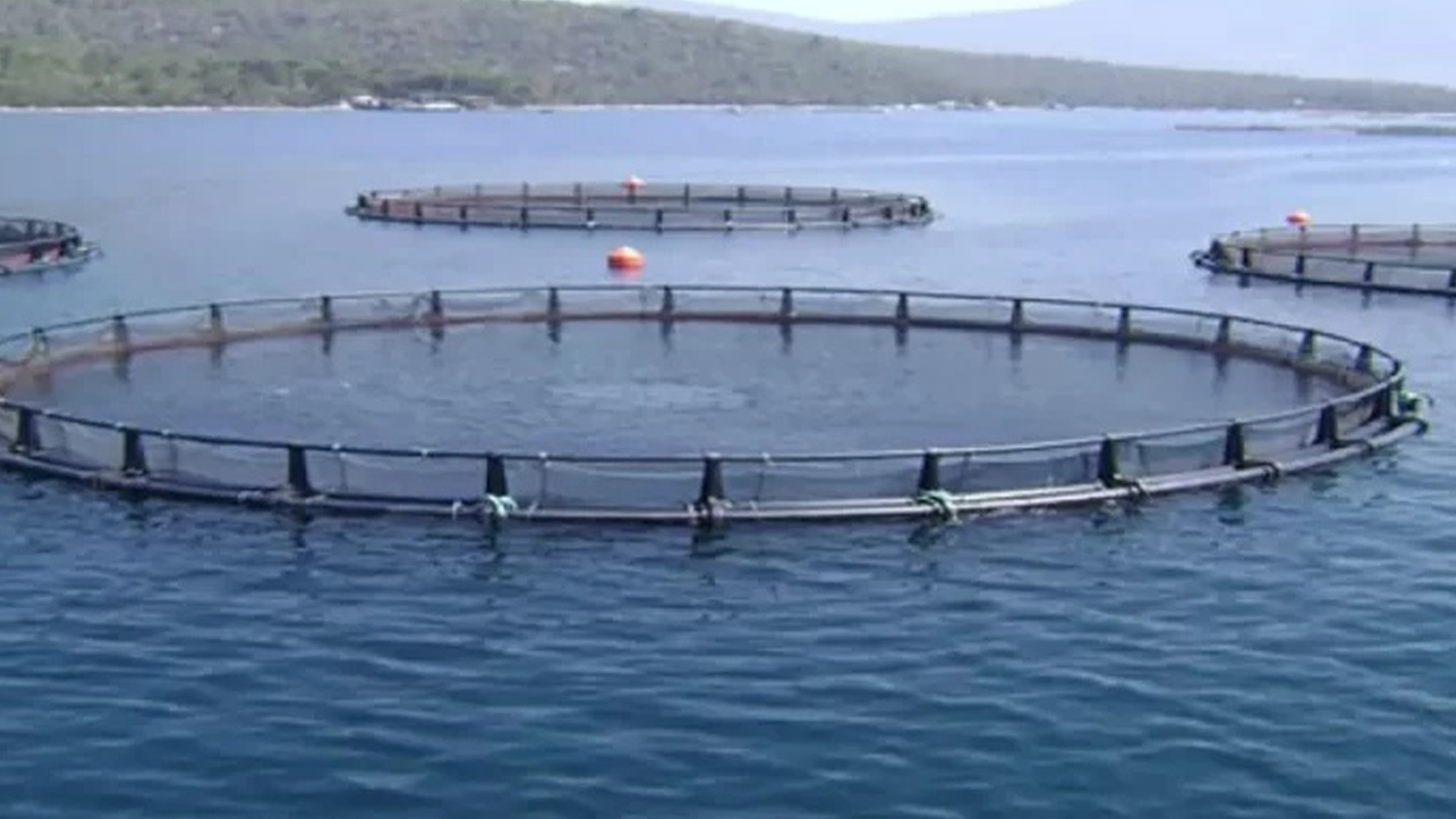
THE Tanzania Social Action Fund (TASAF) cage fish farming project is delivering measurable results by increasing fish production, boosting household incomes and strengthening livelihoods in beneficiary communities.
Through the project, beneficiaries of the TASAF harvested a total of 1.8 tonnes of fish, with participating drawn from two groups namely Temeke and Maliganganya, Bugogwa Ward in Ilemela Municipality, Mwanza Region.
The TASAF Coordinator for Ilemela, Mr David Lugenzi, said during a recent harvesting event that the fish were farmed for eight months and harvested in two phases, with the total value estimated to exceed 15m/-.
“The project’s success resulted from strong group management, discipline among members and the practical training they received in cage fish farming,” Mr Lugenzi said.
Mr Lugenzi noted that the project is among TASAF’s economic empowerment initiatives, aimed at enabling beneficiaries to escape poverty by increasing income and improving their livelihoods. TASAF group supervisor from Kayenze Ndogo Street in Ilemela, Ms Rutigalida Bihengo said the fish were caged for eight months and that the project has brought significant success to group members.
“The project has increased income for group members and given us the confidence to invest more in cage fish farming,” said Ms Bihengo.
The beneficiaries have learned best practices in fish farming, including feed management and cage maintenance. Meanwhile, a TASAF beneficiary from the Temeke Group, Ms Modesta Chigugu said they have already completed two successful harvests since the project began, demonstrating that cage fish farming can be highly productive when properly managed.
“Through the training we received, we have changed our mindset and now see fish farming as a profitable business. We believe it will continue to uplift us economically,” Ms Chigugu said.
She added that the success achieved has generated great enthusiasm among other community members encouraging various stakeholders to invest in cage fish farming.
She said that cage fish farming is an important economic opportunity, a source of employment and a sustainable way to increase income, especially for TASAF beneficiary groups. Latest data showed that the number of cages has increased from roughly 50 in 2014 to 1,635 in 2024, with high concentration in Lake Victoria—Mwanza and Kagera regions.
SOURCE : DAILY NEWS